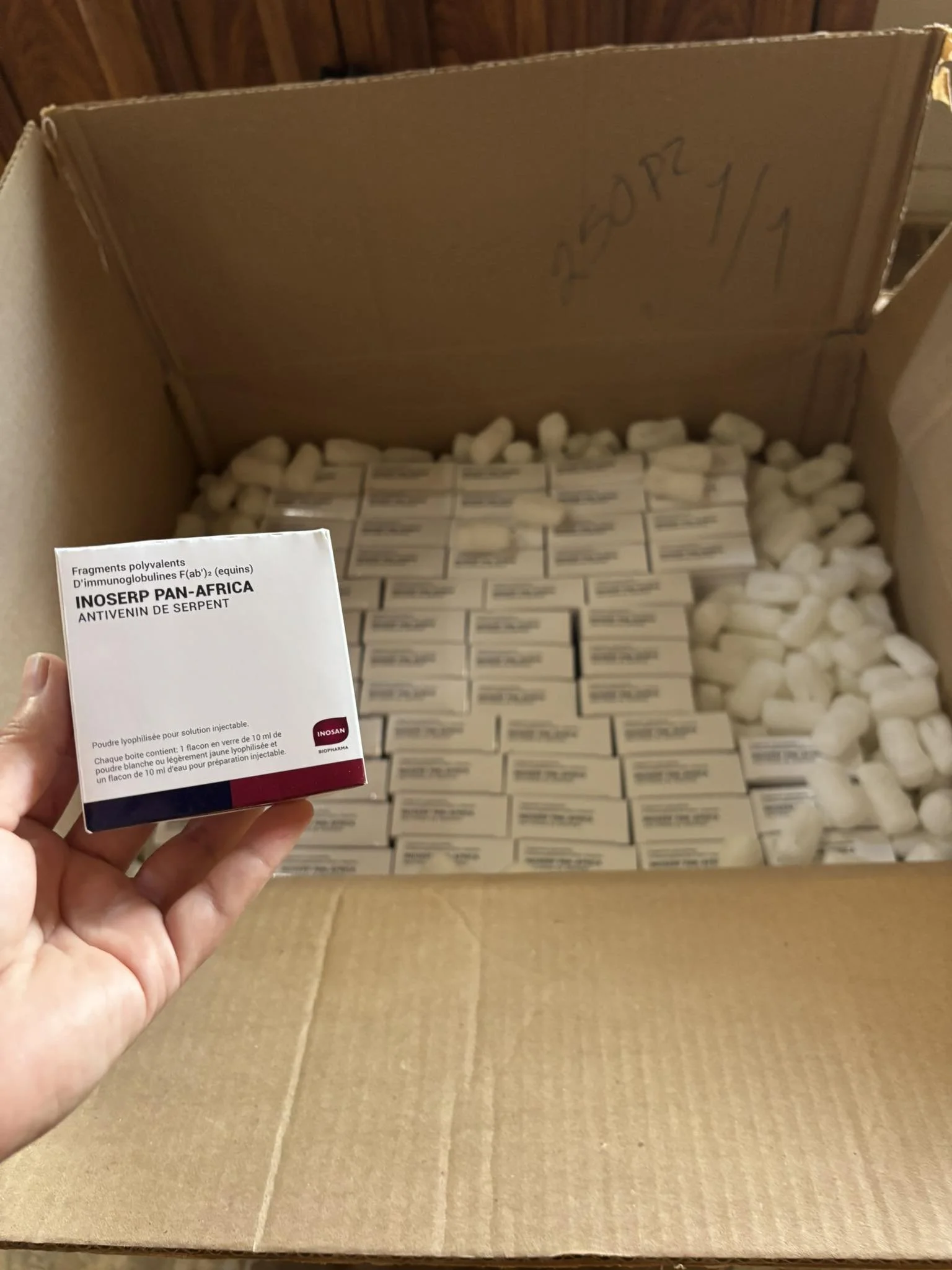
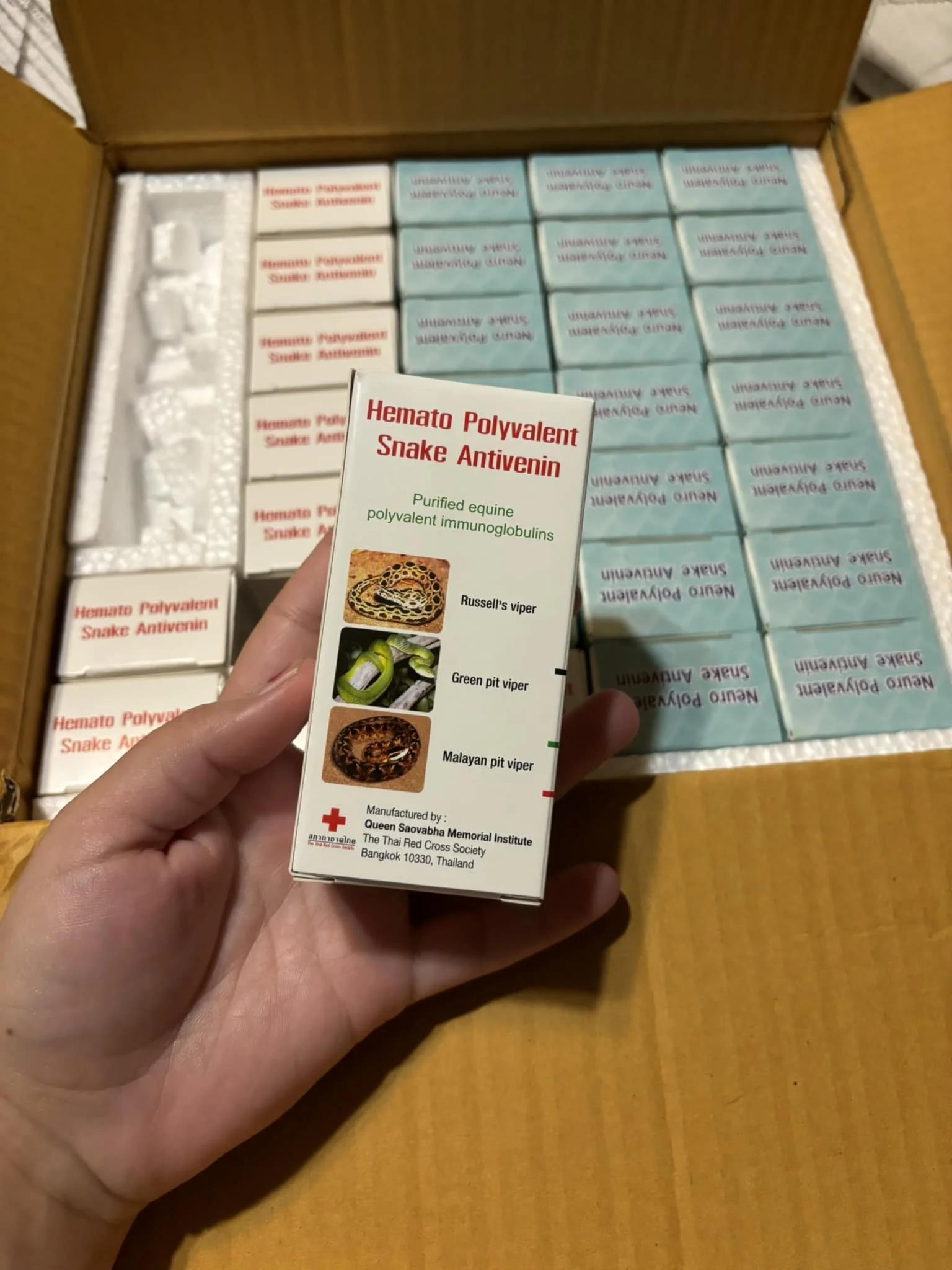
ASF Bite Protocols
The Antivenom Support Group
&
The Asclepius Snakebite Foundation Exotic Snakebite Protocol Program was created to improve access to reliable, evidence-based emergency information for private keepers, zoological facilities, educators, first responders, and medical professionals managing venomous snakebite incidents involving non-native species. These protocols are developed using current toxicology guidance, clinical experience, and collaboration with experts in venom medicine and exotic animal management.
Our goal is not to encourage risky behavior or improper keeping practices, but to help ensure that when accidents occur, both medical teams and keepers have faster access to organized, species-specific emergency information that can improve communication and response time during a critical situation.
This page also serves as the home of the Antivenom Support Group (ASG), an initiative dedicated to helping qualified keepers and facilities navigate the complex process of legally obtaining and maintaining non-native antivenom supplies. Through education, networking, and logistical assistance, ASG works to support responsible venomous keeping while improving emergency preparedness standards across the community.
We strongly encourage all venomous keepers and facilities to prioritize prevention, proper training, secure caging, legal compliance, and established emergency planning long before an incident ever occurs.
ASF Bite Protocol Library
The protocols hosted here are provided completely free of charge as an educational and emergency preparedness resource. ASF strongly believes that improving access to accurate emergency information benefits both the venomous animal community and public safety as a whole. If you find these resources valuable and would like to support the continued development of future protocols, educational materials, and humanitarian snakebite efforts, please consider donating to the Asclepius Snakebite Foundation. Donations directly support ASF’s ongoing work in toxicology education, snakebite response initiatives, and international efforts aimed at reducing the global snakebite crisis.
The protocols hosted here are developed through the work of ASF and informed by current toxicology knowledge, clinical experience, and collaboration with professionals involved in venom medicine and exotic animal management.
These resources are not intended to replace professional medical judgment, poison control consultation, or emergency medical care. Prevention, proper training, secure containment, legal compliance, and established emergency planning remain the foundation of responsible venomous animal management.
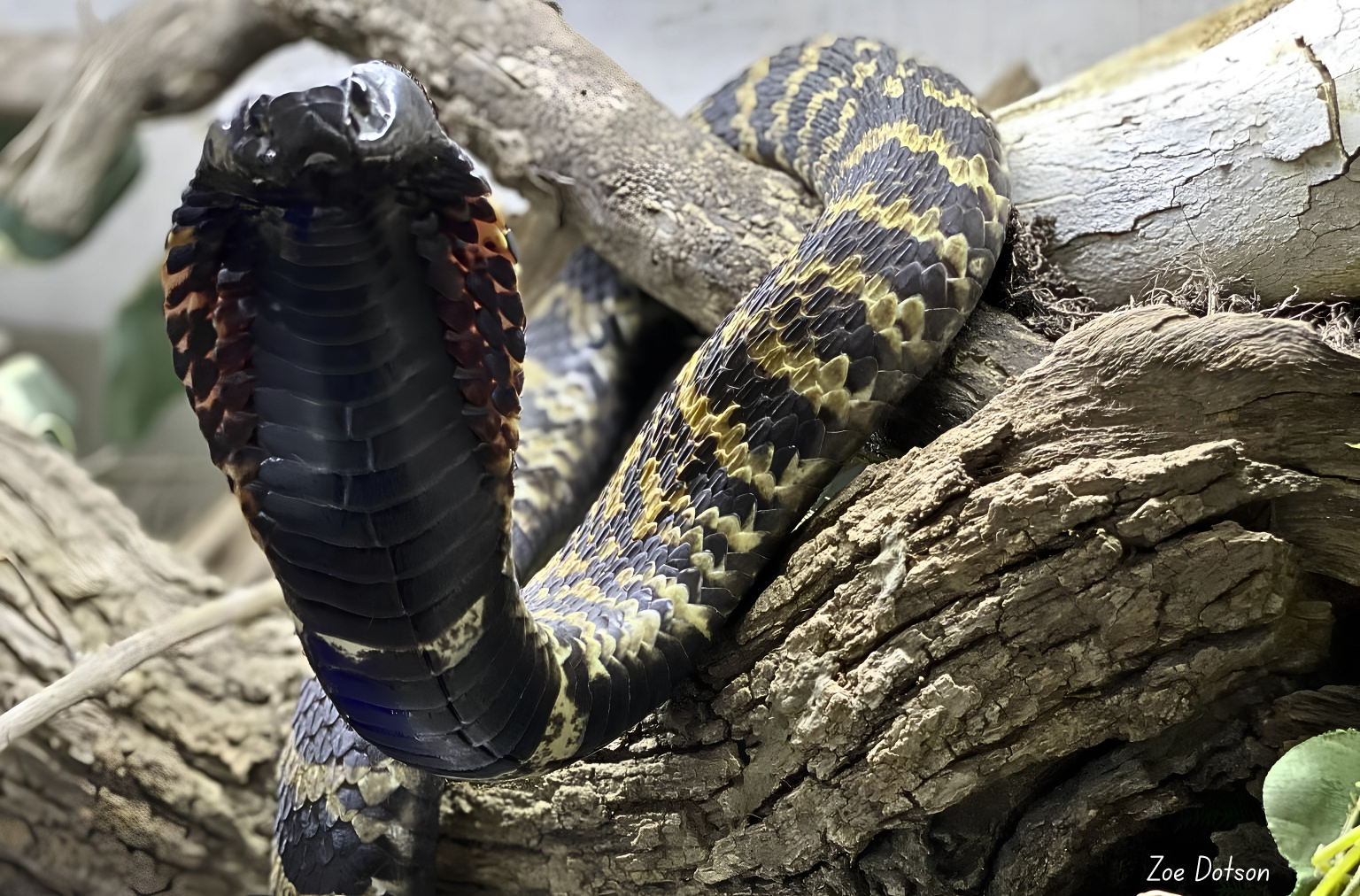
Elapids
-
Aspidelaps lubricus — Cape Coral Cobra
Download PDF
-
Dendroaspis angusticeps — Eastern Green Mamba
Download PDF
Dendroaspis jamesoni — Jameson's Mamba
Download PDF
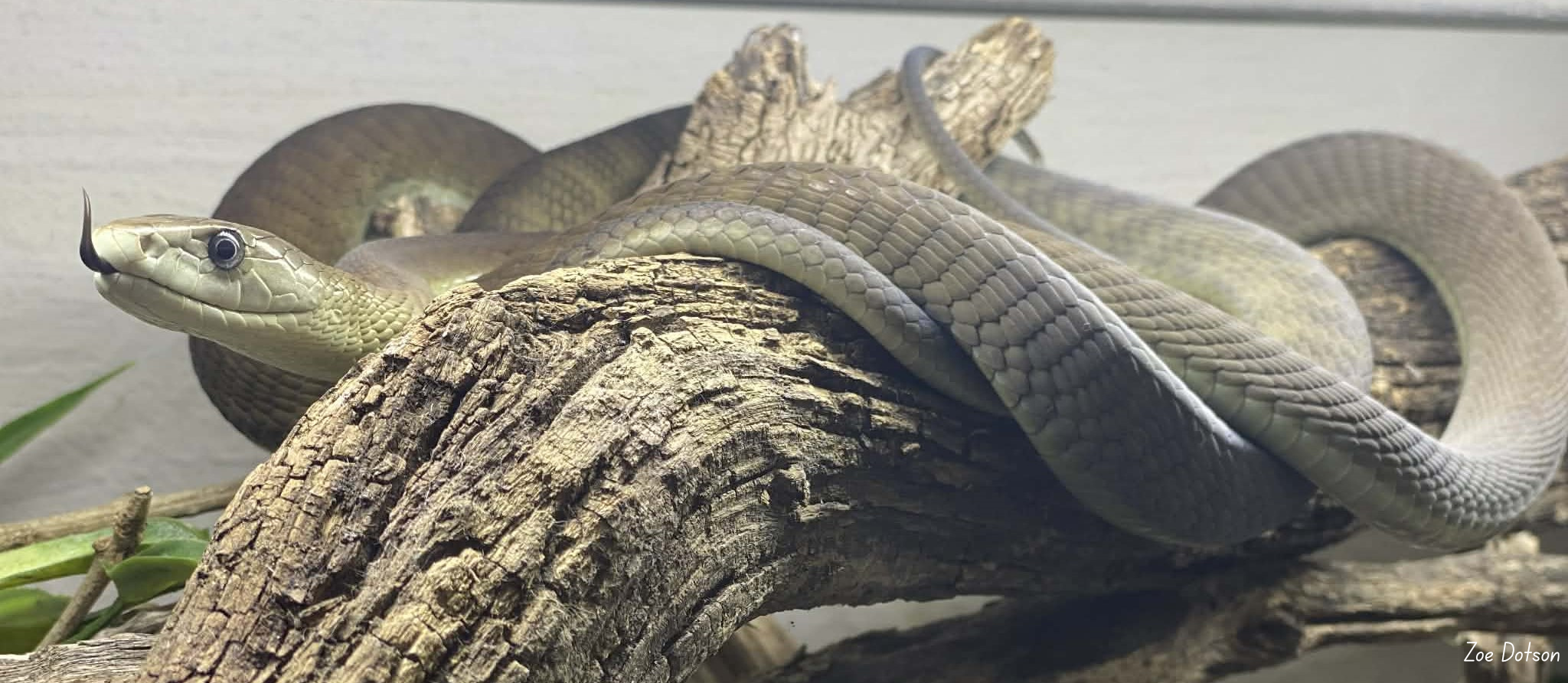
Dendroaspis polylepis — Black Mamba
Download PDF
Dendroaspis viridis — Western Green Mamba
Download PDF
-
Naja guineensis — Black Forest Cobra
Download PDF
Naja kaouthia — Monocled Cobra
Download PDF
Naja melanoleuca — Forest Cobra
Download PDF
Naja mossambica — Mozambique Spitting Cobra
Download PDF
Naja naja — Indian Cobra
Download PDF
Naja nigricollis — Black Necked Spitting Cobra
Download PDF
Naja nivea — Cape Cobra
Download PDF
Naja savannula — West African Brown Cobra
Download PDF
Naja subfulva — Eastern Forest Cobra
Download PDF
-
Ophiophagus bungarus —Sunda King Cobra
Download PDF
Vipers
-
Atheris squamigera — Variable Bush Viper
Download PDF
-
Bitis arietans — Puff Adder
Download PDF
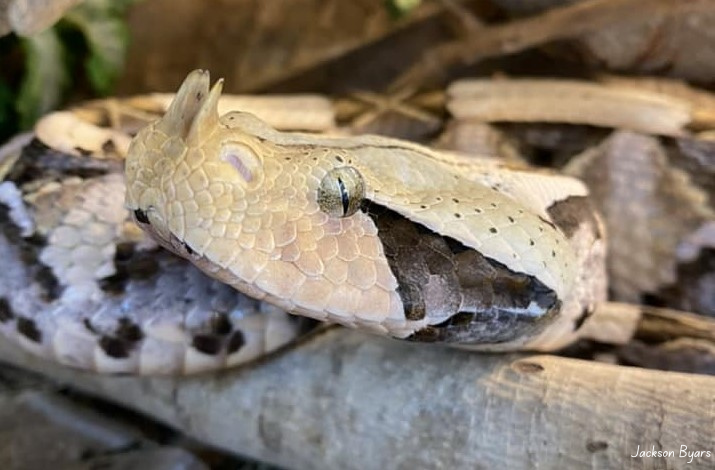
Bitis gabonica — Gaboon Viper
Download PDF
Bitis nasicornis — Rhinoceros Viper
Download PDF
Bitis rhinoceros — West African Gaboon Viper
Download PDF
The Antivenom Support Group
The Antivenom Support Group (ASG) was founded by Zoe Dotson and Jackson Byars, founders of the Fauna Learning Center and fellow team members of the ASF, to help improve antivenom accessibility, emergency preparedness, and safety education within the venomous animal community. After navigating the permitting and acquisition process themselves, they recognized that reliable information regarding antivenom importation, permitting, and long-term maintenance was often scattered, confusing, or difficult for keepers and facilities to access.
To help address this issue, the ASG developed a series of comprehensive educational guides designed to help qualified private keepers, zoological facilities, and educational institutions better understand the process of legally obtaining and maintaining non-native antivenom supplies within the United States. These resources cover topics including permitting, FDA requirements, importation logistics, emergency planning, and general venomous safety preparedness.
The ASG works alongside the Asclepius Snakebite Foundation to support responsible venomous animal management, preparedness initiatives, and public safety education. To learn more or participate in group orders, join the Facebook group or read through the guides below.